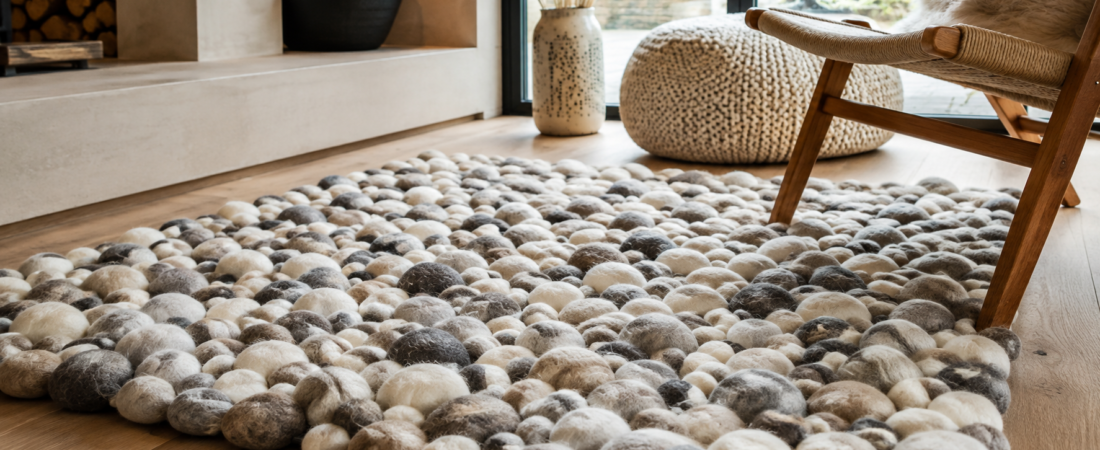
If you have recently come across the term Wollmatten, you may be wondering what it actually means and why wool mats are becoming popular in different areas of home design, comfort, and sustainable living.
The word Wollmatten is German and is commonly understood as “wool mats.” A Wollmatte can be made from natural wool that is woven, felted, compressed, or processed into a mat-like surface. However, the exact design and purpose can vary significantly from one product to another.
Some wool mats are designed as attractive floor coverings, while others are made for insulation, crafts, meditation, gardening, or other practical applications. This means choosing the right Woll matt en starts with understanding what the mat is designed to do.
What Are Wollmatten?
Wollmatten are mats made fully or partly from wool fibers. Wool may be processed into a dense felt, woven into a textile surface, or combined with another material to create a stronger backing.
The term itself does not describe one specific size, design, or product category. A decorative wool floor mat and a dense wool insulation mat can both fall under the broad description of Wollmatten.
Wool is particularly useful because its natural fiber structure can provide warmth, cushioning, and moisture-management properties. The performance of a finished mat, however, depends on its construction, thickness, density, fiber content, and intended application.
How Are Wollmatten Made?
The manufacturing process depends on the type of wool mat being produced.
Felted Wool Mats
Felted mats are made by combining wool fibers into a dense material. Heat, moisture, pressure, or mechanical processes can help the fibers interlock and form a stable sheet.
These mats can be firm enough for practical applications while still retaining some of wool’s natural softness.
Woven Wool Mats
Wool can also be woven into different patterns and textures. Woven mats are often selected for decorative applications because they can provide a more traditional rug-like appearance.
Needle-Punched Wool Mats
Some technical wool mats are manufactured by mechanically entangling fibers with needles. This can create dense sheets suitable for applications where insulation, cushioning, or sound absorption is important.
Because construction methods vary, buyers should always check the manufacturer’s specifications instead of assuming every Wollmatten product has the same characteristics.
Common Uses of Wollmatten
One of the most interesting things about Wollmatten is their versatility. Different designs can serve completely different purposes.
1. Home Décor
Wool mats can add warmth and texture to living rooms, bedrooms, hallways, and home offices. Natural wool has a distinctive appearance that can work well with both traditional and modern interiors.
A wool mat can also soften the appearance of hard flooring such as wood, tile, or concrete.
2. Floor Comfort
Hard floors can feel cold and uncomfortable, particularly during colder months. A thick wool mat provides a softer surface underfoot and can make a room feel more comfortable.
Placing one beside a bed, sofa, or desk can create a practical comfort zone without covering the entire floor.
3. Insulation
Certain wool-based mats are manufactured specifically for insulation applications. Wool fibers can trap air, which contributes to thermal insulation.
However, decorative floor mats should not automatically be treated as building insulation. If you are buying Wollmatten for a wall, roof, floor, or other construction application, look for a product specifically designed and tested for that purpose.
4. Yoga and Meditation
Thicker wool mats can also be used for meditation and gentle floor-based activities. Their soft surface can provide additional comfort when sitting or kneeling.
For exercise, however, grip is particularly important. A wool mat may need to be paired with a suitable non-slip surface depending on the activity.
5. Gardening
Some wool-based mats are designed for horticultural applications. These products can be placed around plants or used as natural ground coverings.
Their suitability depends on how the wool has been processed and whether the manufacturer specifically recommends the product for outdoor or gardening use.
Benefits of Wollmatten
Natural Material
One of the biggest attractions of wool mats is their natural fiber content. Wool comes from sheep and is a renewable animal fiber.
For shoppers trying to reduce their dependence on synthetic materials, a wool-based mat can be an appealing option.
Warm and Comfortable
Wool naturally feels warm and soft, making it particularly attractive for bedrooms, sitting areas, and rooms with hard flooring.
Moisture Management
Wool fibers can absorb and release moisture vapor, helping them manage humidity differently from many synthetic materials. This property is one reason wool is widely used in textiles.
Durability
High-quality wool can be surprisingly durable. A properly made wool mat can maintain its appearance and structure for a long time when it is used and maintained according to the manufacturer’s instructions.
Sound Reduction
Thicker textile surfaces can help reduce the feeling of echo in a room. Wool-based products may therefore contribute to a quieter and more comfortable interior, although actual acoustic performance depends on thickness, density, installation, and the surrounding room.
Are Wollmatten Eco-Friendly?
Wool is a natural and renewable fiber, which makes it attractive to people interested in more sustainable materials.
However, it is important not to assume that every product labelled Wollmatten is automatically environmentally friendly. A finished mat may contain synthetic backing, adhesives, dyes, or blended fibers.
If sustainability is important to you, check:
- The percentage of wool in the product
- Whether the wool is responsibly sourced
- The backing material
- Dyes and chemical treatments
- Manufacturing information
- Expected lifespan
- End-of-life disposal options
A durable product that lasts for many years can also be more practical than a cheaper mat that needs frequent replacement.
How to Choose the Right Wollmatten
Before buying a wool mat, consider its intended purpose first.
Check the Material
Look at the product label to determine whether it is made from 100% wool or a wool blend.
Consider Thickness
A thin decorative mat may work well in a hallway, while a thicker mat may be more comfortable beside a bed or in a sitting area.
Check the Backing
For floor use, a suitable backing can help keep the mat stable. If the mat will be placed on a smooth surface, consider whether an appropriate non-slip layer is required.
Think About Maintenance
Wool products can have specific cleaning requirements. Always follow the manufacturer’s care instructions, especially before using water or cleaning products.
Match the Mat to Its Purpose
Do not purchase a decorative Wollmatten product for insulation or another technical application unless it is specifically manufactured for that purpose.
How to Care for Wollmatten
Regular maintenance can help extend the life of a wool mat.
Vacuum the surface gently to remove loose dust and debris. If something spills, deal with it promptly rather than allowing moisture to remain in the fibers.
Avoid aggressive scrubbing because excessive friction can damage the surface or change its texture.
For deeper cleaning, check the manufacturer’s instructions. Some wool products require professional cleaning, while others may have specific hand-cleaning recommendations.
It is also important to allow a damp mat to dry properly rather than storing it while moisture remains trapped inside.
Wollmatten vs. Synthetic Mats
Both wool and synthetic mats have advantages.
Wool mats are attractive to people who value natural materials, warmth, texture, and long-term use. Synthetic mats, on the other hand, may offer advantages such as lower cost, easier machine washing, or specific resistance properties.
The best choice depends on where the mat will be used.
For a bedroom or living room where comfort and natural appearance are priorities, wool can be an excellent option. For high-mess areas where frequent washing is necessary, a washable synthetic mat may be more practical.
Final Thoughts
Wollmatten are essentially wool mats, but the term covers a surprisingly broad range of products. They can be used for home décor, floor comfort, meditation, insulation, gardening, and other applications depending on their construction.
The most important thing is not simply to look for the word “Wollmatten.” Instead, check the material, thickness, backing, intended use, maintenance requirements, and manufacturer’s specifications.
When chosen for the right purpose, a quality wool mat can bring together comfort, natural texture, durability, and practical functionality in one simple product.
Frequently Asked Questions
What does Wollmatten mean?
Wollmatten is a German term commonly translated as wool mats. “Wolle” refers to wool, while “Matten” is the plural form of mat.
Are Wollmatten made from real wool?
Many are made primarily from sheep’s wool, but the exact composition varies. Always check the product specifications because some wool mats contain blends or synthetic backing.
Can Wollmatten be used on floors?
Yes. Wool mats can be used as decorative or comfort-focused floor coverings, provided their construction is appropriate for the intended surface.
Are wool mats difficult to maintain?
Not necessarily, but wool often requires more careful cleaning than some synthetic materials. Follow the specific care instructions supplied with the product.
Are all Wollmatten suitable for insulation?
No. Decorative wool mats should not automatically be used as building insulation. Insulation products should be specifically manufactured and tested for construction applications.